Yarrow

Ancient healer, modern marvel.
Who am I?
The stalwart friend of the wayside, isn't just a pretty face with feathery foliage. It's a bustling hub of activity in the grand theatre of the ecosystem! Forget manicured lawns, this wildflower invites everyone to the party. Its nectar-rich blooms are basically an all-you-can-eat buffet for the Buff-tailed Bumblebeeand the White Ermine Moth, while its leaves, nibbled on perhaps a little too enthusiastically by a Goldfinch or two, provide sustenance, albeit in a slightly more grudging fashion.
But yarrow's contribution doesn't stop there. It's a potent medicinal plant, a natural bandage in the wild. And just imagine, as the Common Garden Spider flits about seeking out seeds, it may inadvertently spread the yarrow's progeny, ensuring its continued presence in the landscape. Even the Common Garden Spider, lurking in its web nearby, benefits indirectly by having a thriving insect population to prey upon. Yarrow, in its unassuming way, quietly knits together the threads of life.
A cold-curing, wound-healing, beer-making, sage-flavored salad herb medicine plant!
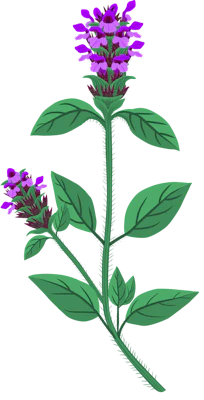
One of 3 commonly found wound herbs growing on our living wall, along with Selfheal and Plantain. People have used yarrow for thousands of years, including Neanderthals (see yarrow video), people in ancient China, and up to the present day, Native American tribes and country people throughout Europe.
It’s an antiviral medicine, a salad, a herb, an aromatic flavoring, and one of many wild plants formerly used to brew ale before hops became our main brewing herb. Like Plantain, it has a strong partnership with fungi in the soil who help by providing nutrients in return for water and carbohydrate. There’s a hand-in-glove quality of fit between them, giving both just what they need.
Another partnership to mention is the one between yarrow and pollinating insects, who feed on nectar and pollen from yarrow flowers and in return pollinate these flowers, so they can produce seeds.

Miles Irving
Foraging Expert
2-3ft
Typical height
Pollinator-friendly
Bee appeal
-40°F
Cold Tolerance (approximate lowest temperature)
Find out more
I grow densely in this wildflower wall, offering nectar and shelter to beneficial insects and helping maintain ecosystem health.
 Did You Know
Did you know
Click here to find out a fun fact about the Yarrow
VideoWatch Miles' video
Learn about the Yarrow with our foraging expert Miles in his video 'Yarrow'.
More Species
Get to know more species local to the wall.