Swift

Relentless speed, boundless sky.
Who am I?
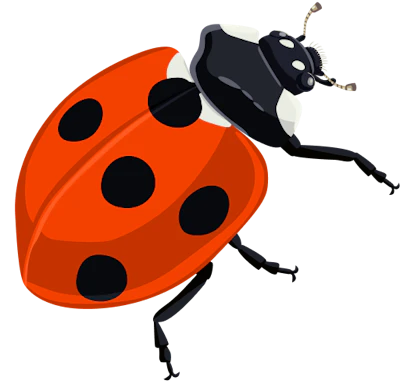
Behold the Swift, a feathered dart in the summer sky! This isn't your average garden-variety bird, mind you. While the Goldfinch might be content pecking at stray seeds amongst the thistles, the Swift lives a life of almost perpetual motion. It's a vital predator, a natural aerial insecticide, gobbling up hordes of insects that would otherwise plague our plants. Think of all those pesky Aphid the Ladybird struggles to keep in check, or the Cabbage White Butterfly threatening to devour every leaf in sight – the Swift feasts upon them, keeping the balance in our ecosystem.
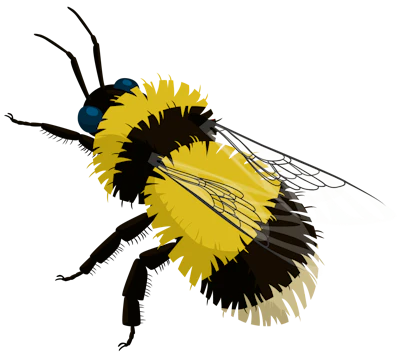
This tireless flier indirectly benefits other species, too. By controlling insect populations, the Swift helps protect plants like the Wild Poppy, Yarrow, and even the humble Plantain from being overrun. And while the Buff-tailed Bumblebee might compete for nectar with some flowers, the Swift helps to ensure that those blooms survive to be pollinated. It's a constant, whirring reminder that even the smallest creature can play a huge role in the grand tapestry of nature.
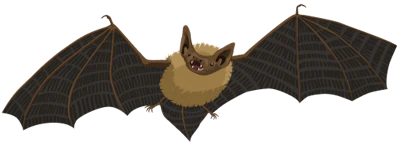
The daytime bird equivalent to a bat!
It’s a breathtaking wildlife encounter to stand on a busy London street & watch swifts swooping high above the city. Their sickle-shaped wings, big eyes, and wide mouth are adapted for aerial life. This truly wild bird sleeps, mates, feeds & drinks on the wing – flying as high as 10,000ft, shutting down half their brain, and correcting wind drift while sleeping.
They depend on humans for nest sites, but with new buildings lacking such spaces, the answer is swift bricks. [link to https://www.actionforswifts.com/] Adults carry ‘meatballs’ of up to 1000 compacted small prey species back to their chicks! They feed on flying ants, Aphid, mosquitoes, and spiderlings – up to 20,000 a day – but their largest prey are Marmalade Hoverfly.
Swifts share an ecological niche with Common Pipistrelle Bat – they do the day shift, eating aerial prey while the bats sleep. Other swift species even use echolocation, enabling them to find things in the dark as bats do.

Miles Irving
Foraging Expert
110mph
Top Speed
2 million
Insects Yearly
21 grams
Weight
Find out more
I soar overhead, catching insects drawn to the living wall, contributing to the balance of this lively ecosystem.
 Did You Know
Did you know
Click here to find out a fun fact about the Swifts
More Species
Get to know more species local to the wall.