Grey Squirrel

Nature's busy little hustlers.
Who am I?
The Grey Squirrel, Sciurus carolinensis, a furry whirlwind of ambition and bushy-tailed charm, is a pivotal character in our garden ecosystem, whether we like it or not. They're not just burying acorns for a rainy day – they're inadvertently shaping the very landscape! While happily hoarding away future snacks, they're also helping to spread seeds, giving a boost to plants like Wild Marjoram and even those tenacious Dandelion. They're essentially furry, forgetful gardeners.
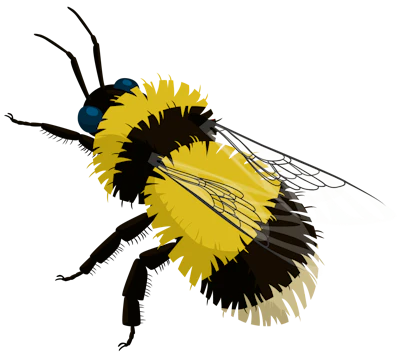
But it's not all sunshine and buried treasure. Their scavenging habits also affect the insect world. A plump Grey Squirrel might occasionally snack on a juicy Aphid if it comes across one, but more importantly, they compete with theBuff-tailed Bumblebee for nuts and seeds, a crucial food source for the bee's survival, particularly as our little Marmalade Hoverfly needs all the help it can get too! The Grey Squirrel's presence, therefore, is a complex equation, a delicate dance between chaos and contribution in the grand tapestry of the garden.
Some neighbors have good points and bad points...
Grey squirrels were first introduced, several times but unsuccessfully, in the early 19th century. Later 19th-century introductions were also multiple, but successful. What had changed?
Mainly, the Enclosure Acts had put much land under people who then managed it for field sports, persecuting squirrel predators such as pine martens and goshawks. So grey squirrels had a lucky break and began to replace native red squirrels, since they carry a disease fatal to reds, which they themselves are immune to.
Whilst we have had fun pointing out in our squirrel envy video how squirrels help woodlands by inadvertently planting trees because they forget where they buried their nuts, in fact, it was much better for UK woodlands when red squirrels performed this service. Sadly, greys are not an all-around good neighbor to trees as they eat the bark of young trees, especially oaks, often killing them as a result.

Miles Irving
Foraging Expert
4-6
Young per litter
10 years
Maximum lifespan
25%
Food recovery rate
Find out more
I occasionally explore the living wall, foraging for seeds and insects, adding a bit of lively movement to the habitat.
 Did You Know
Did you know
Click here to find out a fun fact about the Grey Squirrel
VideoWatch Miles' video
Learn about the Grey Squirrel with our foraging expert Miles in his video 'Squirrel Envy'.
More Species
Get to know more species local to the wall.