Aphid

Tiny pests with a big appetite.
Who am I?
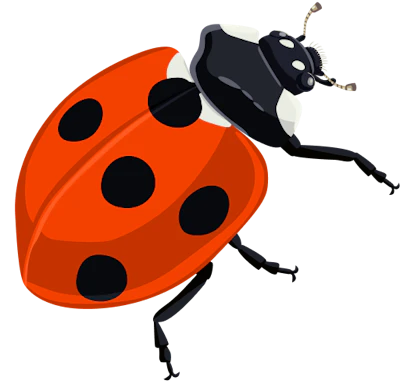
The Aphid, a tiny sap-sucking siren, is a linchpin in the grand tapestry of our ecosystem, albeit one often viewed with disdain. Think of them as the fast-food joint of the insect world, a readily available buffet for creatures higher up the food chain. Ladybird, bless their polka-dotted backs, practically throw garden parties when an aphid convention rolls into town. Even the delicate Marmalade Hoverfly gets in on the act, its larvae acting as tiny, voracious Aphid assassins.
But Aphids aren't just passive participants in this dance of life and death. They are the reason the Nettle patch thrives, providing them food, and they incidentally attract the attention of birds who relish their presence for the nutritious meal they represent, as well as the seeds of the nettle when available. Their sugary excrement, delightfully (or disgustingly) named honeydew, can even attract less obvious allies, and certainly attracts other insects to the host plants, for better or worse. Ultimately, the Aphid's existence is a testament to the interconnectedness of it all, a reminder that even the smallest of creatures plays a vital role in the grand scheme of things.
These bugs poo sticky honeydew!
Aphids are a type of insect known as ‘true bugs’. They feed on plant sap until their host plants become depleted, then grow wings and fly to pastures new. They excrete a sweet liquid called honeydew, which contains various sugars including melitose which, if eaten by humans, boosts beneficial gut bacteria such as bifidobacteria and lactobacilli. Wafer like flakes of melitose are produced by some trees and also by other insects - this may be the manna described in the bible.
It also leads ants to tend aphids as we do dairy cows - they protect them from predators and milk them by stroking them with their antennae to encourage excretion of honeydew. Ants find aphids by following a scent produced by bacteria living in aphid guts. Sadly the for the aphids, the same scent attracts marmalade hoverflies to lay their eggs near them, so their larvae can make a meal out of them…

Miles Irving
Foraging Expert
4,000+
Species exist
20-40 days
Life cycle
Honeydew
Waste product
Find out more
Learn more about the Aphid with our interactive content below.
 Did You Know
Did you know
Click here to find out a fun fact about the Aphid
More Species
Get to know more species local to the wall.