Marmalade Hoverfly

Unsung hero of your back garden
Who am I?
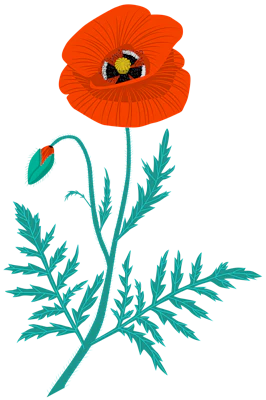
Meet the Marmalade Hoverfly, a tiny superhero disguised in the stripy garb of a wannabe wasp! Don't let its mimicry fool you; this little dynamo is all about good deeds. Forget the sting; its superpower lies in its incredible appetite, particularly in its youth. As a larva, this miniature marvel is a voracious consumer of the pesky Aphid, those tiny sap-sucking villains that can wreak havoc on plants like the humble Plantain, the common Nettle, or even the cheerful Wild Poppy.
But the Marmalade Hoverfly's good work doesn't stop at pest control. Once it reaches its charming, adult form, it becomes a vital member of the pollination posse. Flitting from flower to flower, it sips nectar, inadvertently carrying pollen that helps plants like the sunny Dandelion reproduce. So, while the Goldfinch might be busy enjoying the seeds of some of these plants later in the year, it's the unassuming Marmalade Hoverfly that often plays a crucial early role in their very existence. This little insect is a testament to the fact that even the smallest creatures can have a significant impact on the intricate web of life.
The UK’s number one hero-fly: super-pollinator and pesticide replacement eater of aphids…
A fantastic neighbor, to us and to our food plants! Marmalade hoverflies, by their sheer number and just how many species of plant they visit, pollinate more individual plants than any other wild insect species. Their larvae also prey on aphids who eat human food crops, being especially effective at protecting wheat and brassicas.
For brassicas, there’s a neat circuit of neighborly relations with adults feeding on flowers, laying eggs on the same plants, and their larvae eating the aphids.
We’ve long known that marmalade hoverflies migrate to the UK, but in the last 15 years, the sheer scale of insect migration has become clearer: around 3.5 trillion per year. The number of marmalade hoverflies among them is equally astounding: as many as 4 billion, traveling thousands of miles at altitudes of up to 1000 meters, to pollinate our plants and eat the aphids… it’s marmalade hoverflies to the rescue!

Miles Irving
Foraging Expert
300
Aphids per day
0.7
Pollinations/min
1700km
Avg migration distance
Find out more
I dart among the flowers here, feeding on nectar and pollen while my larvae help control aphid populations.
 Did You Know
Did you know?
Click here to find out a fun fact about the Marmalade Hoverfly.
More Species
Get to know more species local to the wall.